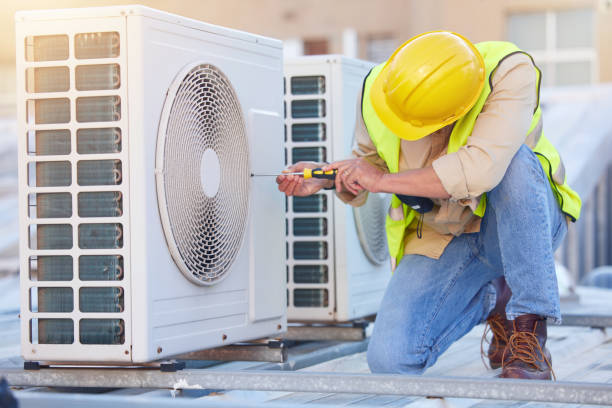
Air conditioning is now a built-in element of contemporary life, providing ease and improving the grade of interior environments. Whether in properties, offices, shopping malls, or cars, air conditioning techniques help regulate heat, moisture, and air quality. This informative article considers the value, working principles, forms, and benefits of air conditioning.
The Importance of Air Conditioning
Air conditioning represents an essential Certified hvac contractor role in increasing individual ease, especially in parts with extreme temperature conditions. Throughout summertime, it prevents heat-related illnesses such as for instance heat strokes and dehydration by keeping interior temperatures cool. In cold temperatures, specific air conditioning techniques can also function as heaters, providing temperature and sustaining an appropriate environment.
Beyond ease, air conditioning is needed for defending sensitive equipment. Knowledge centers, hospitals, and laboratories rely on environment control techniques to stop overheating and keep maximum working conditions for machinery and delicate materials. Additionally, air conditioning is commonly used in the foodstuff industry to maintain perishable things by keeping storage places at the proper temperature.
How Air Conditioning
Air conditioning works on the principles of refrigeration. The machine contains crucial parts, including a converter, condenser coil, evaporator coil, and refrigerant. Here is how the procedure performs:
The cooled air is circulated inside whilst the warm refrigerant results to the compressor, repeating the cycle.
Types of Air Conditioning Programs
Separate Air Conditioners – Comprising an indoor and outside unit, they’re frequently used in properties and offices for successful cooling.
Key Air Conditioning – Utilized in big houses, these techniques spread cool air through ductwork for uniform cooling.
Portable Air Conditioners – Moving devices that provide cooling in places wherever lasting installations aren’t feasible.
Cross and Geothermal Programs – Energy-efficient alternatives that use alternative power places for heating and cooling.
Great things about Air Conditioning
Increased Air Quality: Many AC techniques include filters that eliminate dirt, contaminants, and pollutants, marketing healthiest interior air.
Increased Output: Comfortable temperatures help increase attention and performance in workplaces.
Power Efficiency: Modern air conditioners were created with energy-saving features, lowering electricity usage and decreasing utility bills.
Conclusion
Air conditioning has revolutionized the way persons stay and perform, providing ease, defending wellness, and preserving useful goods. With breakthroughs in technology, air conditioning techniques are becoming more energy-efficient and environmentally friendly. Investing in a top quality AC process designed to unique needs can significantly improve ease and well-being in daily life.